
The Quiet Clean: Transitioning to Sustainable, Battery-Powered Spring Maintenance
Stronger plants. Smarter design. Sustainability that looks stunning.
2026 marks a turning point in landscape design across New England. With drought warnings, coastal erosion, and strict nutrient laws reshaping how we care for the land, the modern homeowner is rethinking their approach—from “pretty” to purposeful.
At Cole Landscaping, we call this shift The Resilience Awakening—and it starts with using the right plants, in the right places, for the right reasons.
If you live in coastal towns like Essex, Gloucester, or Newburyport, here’s how native plantings and sponge-style landscapes can future-proof your yard without sacrificing beauty.
What Is a Climate-Resilient Landscape?
It’s not just about plants that survive droughts or salty air—it’s a full system designed to:
- Absorb heavy rainfall (think rain gardens and permeable pavers)
- Protect against erosion (especially near shorelines)
- Thrive with minimal watering
- Support local biodiversity
- Comply with 2026 fertilizer regulations
In short, it’s a landscape that works with nature, not against it.

Why Native Plants Are the New Standard
Native species are naturally adapted to New England’s coastal soil, weather swings, and ecosystem.
They:
- Require less water and fertilizer
- Recover faster after storms or dry spells
- Support bees, butterflies, and birds
- Stay within their expected size—no overgrowth surprises
Popular choices for the North Shore include:
- Sweet Pepperbush (Clethra alnifolia) – salt-tolerant, fragrant, and pollinator-friendly
- Red Maple (Acer rubrum) – a hardy shade tree with brilliant fall color
- Switchgrass (Panicum virgatum) – excellent for erosion control
- New England Aster (Symphyotrichum novae-angliae) – late-season color and critical pollinator support
These aren’t “low-end” options—they’re smart, stylish, and increasingly in demand for high-end properties.
The Sponge City Concept Comes Home
Originally designed for urban flood control, “Sponge City” principles now influence luxury residential design. These include:
- Rain gardens to catch roof runoff
- Bioswales along driveways and property edges
- Permeable pavers in walkways and patios
- Strategic grading that directs water into plant zones—not toward foundations
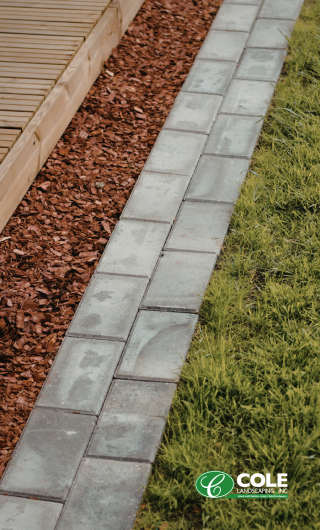
On the North Shore, where freeze-thaw cycles are intense and rainfall patterns are changing, this design style offers both protection and performance.
Compliance with New NH & MA Fertilizer Laws
In towns near the NH Seacoast—like Portsmouth and Rye—new laws now restrict fertilizers with Nitrogen and Phosphorus due to watershed pollution. These include:
- No phosphorus unless a soil test proves it's needed
- Maximum of 0.7 lbs of nitrogen per 1,000 sq ft
- No fertilizing within 25 ft of water or storm drains
- No application during heavy rain or on frozen ground
Cole’s Plant Health Care programs are already built to comply—featuring organic blends, soil testing, and mapped application zones.
Design That Feels Like Wellness, Not Sacrifice
Some people assume “sustainable landscaping” means settling for something plain or underwhelming. Not at Cole.
We specialize in creating layered, lush spaces that:
- Feel intentionally New England
- Blend ornamental beauty with ecological benefit
- Offer peace of mind without high upkeep
It’s the ultimate win-win: landscapes that look custom and age gracefully, while requiring less water, less worry, and fewer chemicals.
FAQs
It naturally grows in the local region, evolved to handle local conditions like frost, drought, and salt air.
Yes—once established, they require less watering, pruning, and fertilizing than non-native species.
Absolutely. Native plants offer rich textures, seasonal color, and pollinator-friendly blooms.
Rain gardens are specifically designed to absorb and filter runoff, reducing flooding and erosion.
If you're near water bodies or in NH towns like Rye/Portsmouth, yes. Cole’s PHC plans are already built to comply.