Your Paver Patio Is Telling You Something. Here's What It Means.
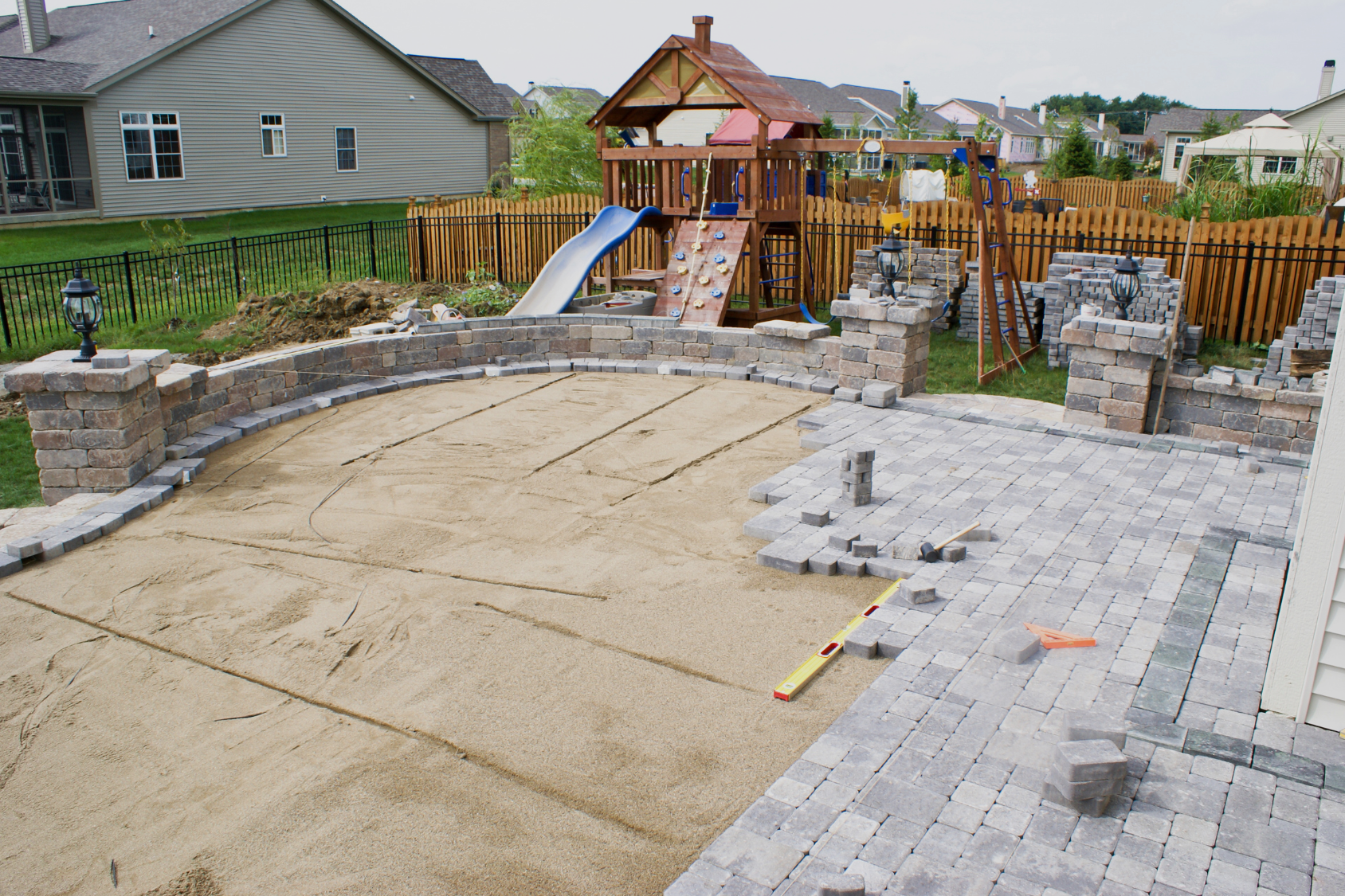
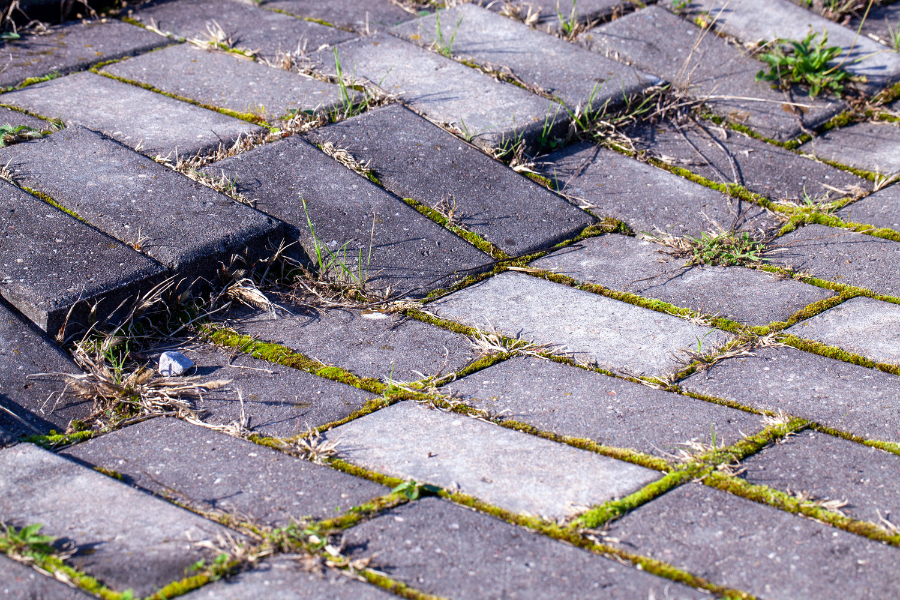
A paver patio that sinks, shifts, or goes uneven after a few New England winters isn't just an eyesore — it's a sign that something in the foundation failed. The surface pavers themselves are rarely the problem. What's underneath them is. Inadequate base depth, poor compaction, washed-out bedding sand, failed edge restraints — these are the real culprits, and painting over them with new pavers on top of old ones doesn't fix anything.
Cole Landscaping has been repairing and resetting paver patios across the North Shore of Massachusetts since 1991. When we assess a failing patio, we diagnose the actual cause — not just the symptom. Whether it's a straightforward re-leveling job or a full base reconstruction, the repair gets done right so it doesn't come back in two winters. We handle everything from new paver installations to complete base rebuilds on existing patios, with the same in-house crews that built half the patios on the North Shore.
The Three Most Common Causes of Paver Patio Failure
Massachusetts freeze-thaw cycles are unforgiving. Most patio problems trace back to one of these three installation failures — and all three are fixable when you address the root cause, not just the surface.
Inadequate Base Depth & Compaction
The standard for a properly built paver base in Massachusetts requires 4–6 inches of compacted angular crushed gravel below the bedding sand layer. Many installations — especially older ones or budget jobs — skip the depth or skip the compaction. When frost heaves the soil below, a thin or loose base moves with it. The result is sinking, tipping, and gaps that get worse every year.
Poor Drainage & Water Intrusion
Water is the silent destroyer of paver installations. When a patio lacks adequate slope away from the house (the standard is a 1–2% pitch), water pools, saturates the base, and washes out the bedding sand from underneath individual pavers. The patio may look fine in summer and look completely different after spring thaw. Proper drainage design is part of every Cole hardscape installation — repair or new build.
Failed Edge Restraints
Edge restraints are the boundary that keeps a paver field from spreading laterally over time. When they're under-staked, made from cheap plastic, or installed without spikes driven deep enough to reach stable soil, the perimeter starts to bow outward. Once the edges move, the rest of the patio follows — gaps open up, the pattern loses alignment, and individual pavers start to rock. Resetting without replacing the edge system just repeats the failure.
Not Every Failing Patio Needs to Be Torn Out and Rebuilt
One of the most useful things a skilled patio contractor can do is tell you what a repair actually requires — honestly. Some patios need a targeted reset: lift the affected section, excavate the failed base, compact fresh angular gravel, re-screed the bedding sand, relay the pavers, and lock the joints with polymeric sand. That's a repair. Other patios have base failures so widespread, or drainage problems so fundamental, that a targeted fix is just postponing the same conversation in a few years.
Cole assesses every patio repair request the same way: we look at the base, the drainage, the edge restraints, and the scope of the failure before we quote anything. If a repair will hold, we'll tell you. If it won't, we'll explain why — and show you what a proper rebuild looks like so you're making an informed decision, not a guessing game. Browse our paver patio installation page to understand our build standards, or see all hardscape services for the full scope of what we handle.